Why Nepali Tea Is Gaining Global Attention
Nepali tea is valued for its floral aroma, smooth character and Himalayan origin. As more people discover tea from Nepal, they also want to understand the potential health benefits of Nepali tea.
Black, green, white and oolong teas all come from the Camellia sinensis plant. Their differences are mainly created by harvesting and processing methods. Tea naturally contains polyphenols, caffeine, amino acids and aromatic compounds, although the precise amounts vary between products and brewing methods (National Center for Complementary and Integrative Health [NCCIH], n.d.).
The evidence does not support treating tea as medicine, a detoxification product or a guaranteed weight-loss solution. However, unsweetened loose-leaf tea can be a useful part of a balanced daily routine.
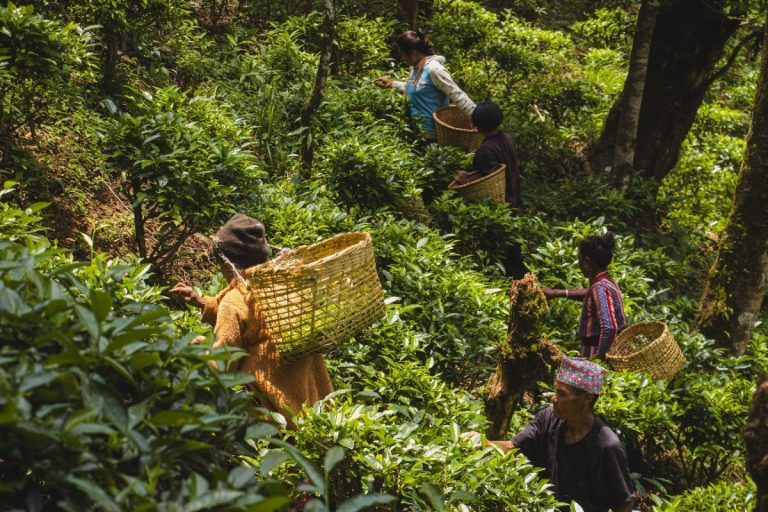
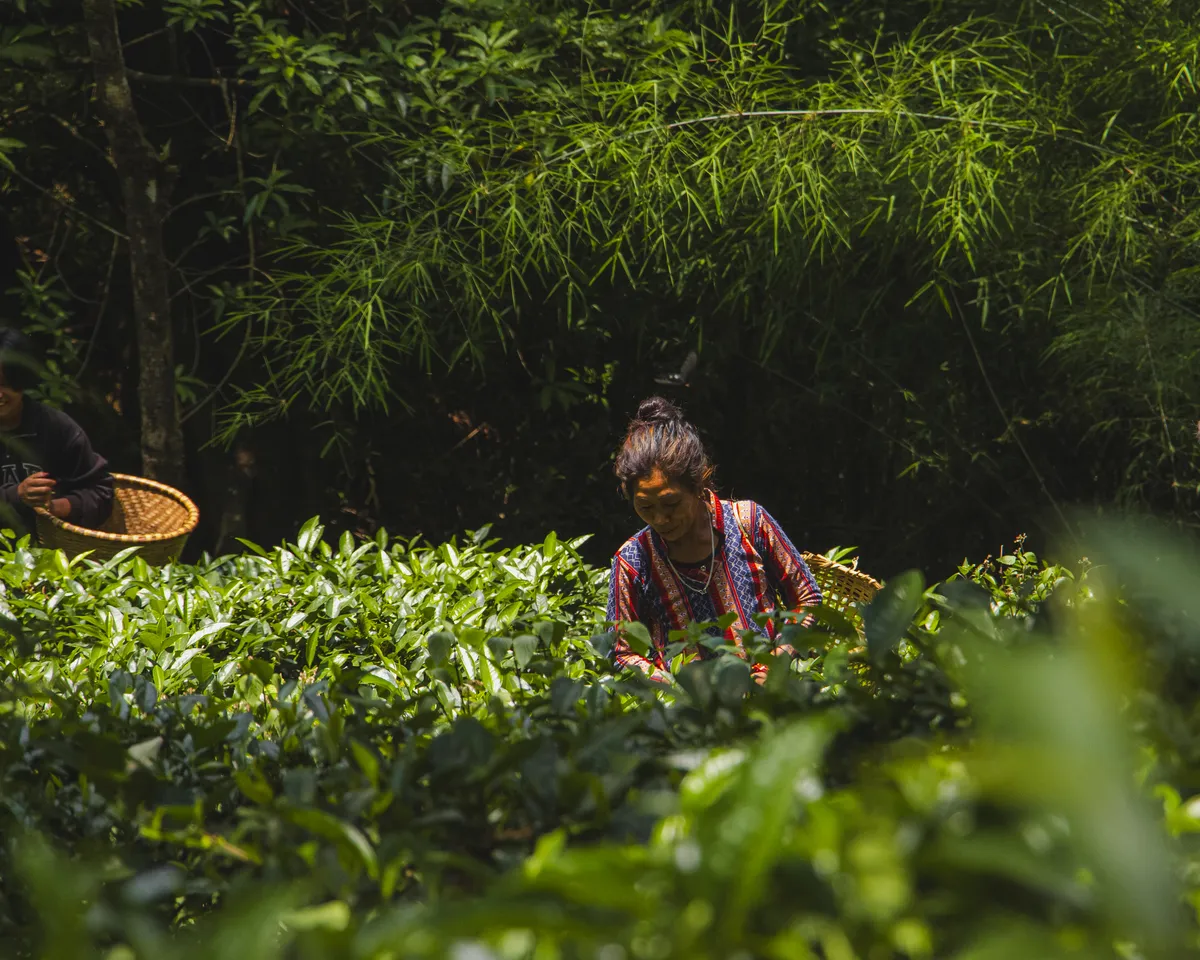
Nepal Hi Tea sources its tea from high-altitude gardens in Bhakanje, Solukhumbu. The leaves are handpicked and processed in small batches to preserve their distinctive Himalayan character. Read more about the community and origin behind Nepal Hi Tea.
Evidence note: Most health research examines tea generally rather than Nepal Hi Tea specifically. The benefits discussed below relate to brewed Camellia sinensis tea and should not be interpreted as product-specific medical claims.
What Makes Nepali Tea Different?
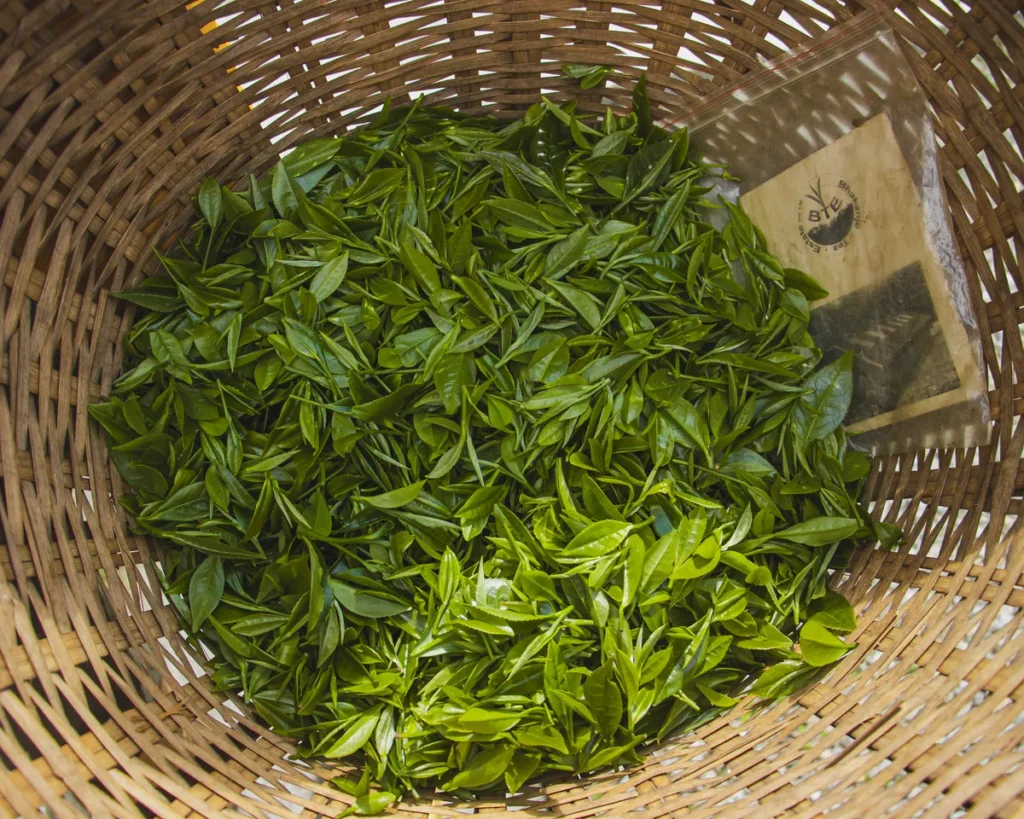
Nepal produces orthodox black tea, green tea, white tea, oolong tea and specialty blends.
Orthodox production generally keeps more of the leaf structure intact than the finely crushed leaves commonly used in mass-produced CTC tea. This creates greater variation in aroma, appearance and flavour, although “orthodox” describes the production method rather than proving that a tea has superior health effects.
Nepal Hi Tea’s leaves come from elevations of approximately 1,800 to 2,600 metres in Solukhumbu. Its origin, slow seasonal development and small-batch production help create its flavour identity. The story of Bhakanje Tea Estate explains how local farmers developed tea cultivation in this Himalayan community.
1. Nepali Tea Contains Natural Polyphenols
Polyphenols are naturally occurring plant compounds found in tea.
Green tea is commonly associated with catechins. During black-tea production, oxidation transforms some catechins into compounds such as theaflavins and thearubigins. This means that green and black tea contain different polyphenol profiles rather than one being universally healthier than the other.
Tea polyphenols demonstrate antioxidant activity in laboratory research. However, laboratory antioxidant activity does not prove that drinking tea prevents or cures a disease. Human health outcomes depend on diet, activity, genetics, environment and many other factors.
The NCCIH states that tea contains polyphenols and other naturally occurring components, but evidence remains inconclusive for many of the medical benefits promoted in tea marketing (NCCIH, n.d.).
For practical purposes, Nepali tea provides plant compounds through an ordinary brewed beverage without requiring concentrated supplements.
2. Tea May Support Short-Term Alertness and Attention
Traditional green, black, white and oolong teas normally contain caffeine. Tea also contains L-theanine, an amino acid that has been studied in combination with caffeine.
A controlled study by Giesbrecht et al. (2010) found that a combination of caffeine and L-theanine improved some measures of cognitive performance and subjective alertness. The study used controlled quantities of the compounds, so its results should not be interpreted as proof that every cup of tea produces the same effect.
The caffeine level in a prepared cup depends on several factors:
- The tea variety
- Quantity of leaves
- Water temperature
- Steeping time
- Number of infusions
- Individual production batch
People who want a stronger morning cup can explore Nepal Hi Tea’s Classic Black Tea. Those who prefer a lighter and fresher flavour can choose high-altitude Nepali Green Tea.
Neither product should be described as providing guaranteed concentration, mental clarity or sustained energy. The defensible statement is that both naturally contain caffeine, and caffeine can increase alertness in many people.
3. Tea May Fit Within a Heart-Healthy Diet
Green and black tea have been studied in relation to cholesterol, blood pressure and cardiovascular health.
The NCCIH reports that limited evidence suggests green and black tea may have favourable effects on some cardiovascular risk factors, including blood pressure and cholesterol. It does not state that tea prevents or treats heart disease (NCCIH, n.d.).
A 2024 meta-analysis covering 38 prospective cohort datasets and almost two million participants found that moderate tea consumption was associated with lower all-cause and cardiovascular mortality compared with no tea consumption (Kim et al., 2024).
This was an observational association. It does not prove that tea alone caused the lower risk. Tea drinkers may also differ in diet, income, smoking habits, physical activity and other lifestyle factors.
The most accurate conclusion is that unsweetened tea can fit within an overall heart-conscious dietary pattern. It should not replace medication, medical advice, exercise or a balanced diet.
4. Tea Contributes to Daily Fluid Intake
Tea is sometimes incorrectly described as dehydrating because it contains caffeine.
A randomised controlled trial comparing black tea with water found no significant difference in normal hydration measures at the quantities studied. The researchers concluded that black tea offered hydration properties similar to water under those study conditions (Ruxton & Hart, 2011).
Tea does not need to replace all water intake. It can contribute to total fluid consumption alongside water and other beverages.
This makes Nepali tea a useful option for people who want more flavour in their daily fluid intake without depending on bottled soft drinks or highly sweetened beverages.
5. Unsweetened Tea Can Replace Sugary Drinks
One of tea’s most practical advantages does not depend on a complex medical claim.
When tea is consumed without added sugar, syrup or sweetened creamer, it avoids the added sugar contained in many soft drinks, bottled teas and flavoured café beverages.
Well-produced loose-leaf tea develops flavour through the leaf, growing environment, harvest and processing. Depending on the type, a cup may produce floral, grassy, malty, woody, sweet or lightly astringent characteristics without requiring sweeteners.
Replacing one sweetened beverage with plain tea does not automatically create a healthy diet. It simply removes the sugar that would have been consumed in that particular beverage.
Begin by tasting the tea without sugar. Adjust the leaf quantity, temperature or steeping time before adding sweeteners.
Does High Altitude Make Nepali Tea Healthier?
High-altitude tea is often promoted as automatically containing more antioxidants or nutrients. Current research does not support this as a universal rule.
Elevation can influence temperature, sunlight, rainfall, growth and tea chemistry. A multi-year study found that elevation and season affected tea metabolites and aroma compounds, but the effects differed between growing locations and years (Kfoury et al., 2019).
Another study examining teas from different elevations found that some lower-elevation black teas contained more measured polyphenols than higher-elevation samples (Zhang et al., 2018).
This does not mean that low-altitude tea is universally better. It means that altitude alone cannot prove antioxidant concentration or a particular health effect. Cultivar, soil, season, leaf grade, weather and processing also matter.
For Nepal Hi Tea, altitude should primarily communicate:
- Himalayan origin
- Distinct growing conditions
- Slower seasonal development
- Aroma and flavour character
- Connection to Bhakanje and Solukhumbu
Specific antioxidant, caffeine or nutrient concentrations should only be stated when supported by laboratory testing of the relevant Nepal Hi Tea batch.
Nepali Green Tea or Black Tea: Which Should You Choose?
Both teas come from Camellia sinensis. Processing creates the main differences.
Nepali Green Tea
Green tea undergoes limited oxidation and normally produces a fresher, lighter and more vegetal cup.
Nepal Hi Tea’s single-origin Green Tea is grown in Solukhumbu and processed as a loose-leaf orthodox tea.
Recommended preparation:
- Tea: Approximately 2 grams per 200 ml
- Water: 75–80°C
- Steeping time: 2–3 minutes
- Avoid boiling water if the tea becomes bitter
Nepali Orthodox Black Tea
Black tea undergoes more oxidation, creating a deeper colour and a more robust flavour profile.
Nepal Hi Tea’s Classic Black Tea has malt and light floral characteristics and can be consumed plain or with milk.
Recommended preparation:
- Tea: Approximately 2–2.5 grams per 200 ml
- Water: 95°C
- Steeping time: 3–4 minutes
- Milk: Optional
Choose according to flavour, caffeine tolerance and drinking occasion rather than assuming one variety offers guaranteed medical benefits.
Explore all available Nepal Hi Tea products.
How Much Caffeine Is Safe?
The amount of caffeine in tea varies substantially. Nepal Hi Tea should not publish a precise caffeine amount per cup unless the individual products have been tested using a defined brewing method.
The United States Food and Drug Administration states that up to 400 milligrams of total caffeine per day is not generally associated with negative effects for most healthy adults. Sensitivity varies considerably between individuals (U.S. Food and Drug Administration [FDA], 2024).
Total caffeine intake includes tea, coffee, chocolate, energy drinks, soft drinks, supplements and medications.
People who are pregnant, breastfeeding, highly sensitive to caffeine or taking medication should obtain individual guidance from a qualified health professional. Green-tea extract supplements are substantially different from ordinary brewed tea and may carry additional risks or medication interactions (NCCIH, n.d.).
Frequently Asked Questions
Is Nepali tea healthy?
Unsweetened Nepali tea can form part of a balanced diet. It naturally contains polyphenols, caffeine and amino acids. It should not be treated as medicine or used as a replacement for professional medical care.
Does Nepali tea contain caffeine?
Yes. Traditional black, green, white and oolong teas normally contain caffeine because they come from Camellia sinensis. The amount varies according to the product and brewing method.
Is Nepali green tea good for weight loss?
Tea alone does not produce reliable, meaningful weight loss. The NCCIH states that green tea has not been shown to be effective for weight loss. Sustainable weight management depends on overall food intake, activity, sleep and individual health factors (NCCIH, n.d.).
Does Himalayan tea detoxify the body?
“Detox tea” is primarily a marketing term. Brewed tea provides fluid and plant compounds, but it does not replace the normal functions of the liver, kidneys and digestive system.
Is high-altitude tea higher in antioxidants?
Not automatically. Altitude affects plant growth and tea chemistry, but research findings vary according to location, cultivar, season and processing. Product-specific laboratory testing is required before making a measurable antioxidant claim.
Can Nepali tea cure or prevent disease?
No such claim should be made. Tea has been studied in relation to several health outcomes, but existing evidence does not establish brewed Nepali tea as a treatment or preventive medicine.
Experience Tea From Bhakanje, Solukhumbu
The strongest reason to choose Nepali tea is not an exaggerated health promise. It is the combination of flavour, origin, craftsmanship and community.
Nepal Hi Tea brings high-altitude loose-leaf tea from Bhakanje’s farmer-owned tea community to customers looking for an authentic Himalayan product.
Choose the fresh character of Nepali Green Tea, the deeper flavour of Classic Orthodox Black Tea or browse the complete tea collection.
For retailer, wholesale or product enquiries, contact Nepal Hi Tea.
Taste the Himalayas. Support the Bhakanje tea community.
References
Giesbrecht, T., Rycroft, J. A., Rowson, M. J., & De Bruin, E. A. (2010). The combination of L-theanine and caffeine improves cognitive performance and increases subjective alertness. Nutritional Neuroscience, 13(6), 283–290. PubMed record.
Kim, Y., et al. (2024). Tea consumption and risk of all-cause, cardiovascular disease, and cancer mortality: A meta-analysis of thirty-eight prospective cohort data sets. Epidemiology and Health, 46, e2024056. PubMed record.
Kfoury, N., et al. (2019). Plant-climate interaction effects: Changes in the relative distribution and concentration of the volatile tea leaf metabolome in 2014–2016. Frontiers in Plant Science, 10, 1518. Full article.
National Center for Complementary and Integrative Health. (n.d.). Tea. U.S. National Institutes of Health. NCCIH tea overview.
National Center for Complementary and Integrative Health. (n.d.). Green tea: Usefulness and safety. U.S. National Institutes of Health. NCCIH green-tea guidance.
Ruxton, C. H. S., & Hart, V. A. (2011). Black tea is not significantly different from water in the maintenance of normal hydration in human subjects: Results from a randomised controlled trial. British Journal of Nutrition, 106(4), 588–595. PubMed record.
U.S. Food and Drug Administration. (2024). Spilling the beans: How much caffeine is too much? FDA caffeine guidance.
Zhang, C., et al. (2018). Antioxidant capacity and major polyphenol composition of teas as affected by geographical location, plantation elevation and leaf grade. Food Chemistry, 244, 109–119. PubMed record.
Medical disclaimer: This article provides general educational information and does not provide medical diagnosis or treatment advice.