Bhakanje / Solukhumbu, NepalDOCUMENTED RANGE
2,040–2,675 m
Documented Bhakanje gardens
Bhakanje Tea Development Center (2024)
 NEPALHI TEA
TASTE OUR TEA ↗
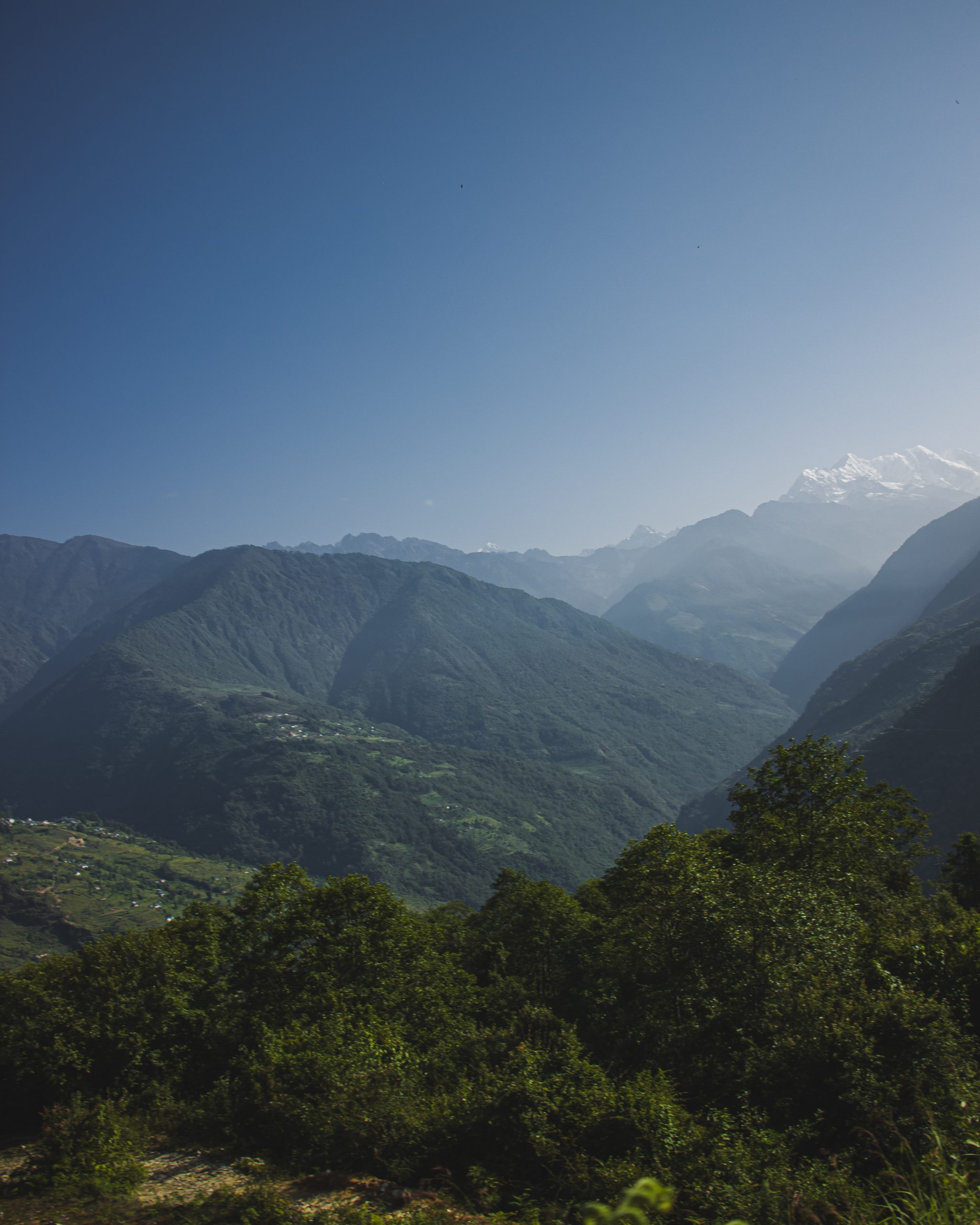
Solukhumbu is the district that holds Mount Everest. In its lower, forested hills, our family tea gardens grow between 1,800 and 2,700 metres. Compare this tea-growing belt with renowned gardens around the world.
TEA ORIGINS / GROWING ELEVATIONS
Compare published growing-area ranges and representative tea gardens on one 0–3,000 m scale.
Documented Bhakanje gardens
Source: Bhakanje Tea Development Center (2024)
Regional tea-growing range
Source: Tea Board India
Shizhuo tea area (not all Alishan)
Source: Taiwan Farm Tourism
One documented Wazuka tea-field tour
Source: Japan Ministry of Agriculture (MAFF)
Documented Taozhou tea estate in Anxi
Source: Anxi County Government
One documented Mori tea garden
Source: Shizuoka Tourism
Sources identify the specific growing area or garden. Single-location examples (Uji/Wazuka and Shizuoka) should not be read as whole-region ranges. Tea quality cannot be ranked by elevation.
Horizontal marks show reported elevations on a common 0–3,000 m scale. Ranges represent the named area, while single dots represent a published garden or tea-field example. Uji tea does not have one universal elevation. Figures are not comparable regional maxima or evidence that higher altitude means better tea.
The Bhakanje range comes from a 2024 local project description. Nepal Hi Tea also describes its broader growing belt as approximately 1,800–2,700 m.
Altitude shapes growing conditions, not a ranking of quality. These ranges describe tea gardens, not chamomile farms.
THE EVEREST DISTRICT
Tea gardens, Lukla, Namche Bazaar and Everest Base Camp — with our tasting café and two retail shops in Namche.
ON THE MOUNTAIN TRAIL
3,440 m
Taste Nepal Hi Tea at a café owned by the owner of Everest Yak, and find it at two Everest Yak souvenir shops.
NAMCHE / TWO SHOPS & ONE CAFÉ
Tasting café
A café in Namche Bazaar owned by the owner of Everest Yak, where you can taste Nepal Hi Tea brewed fresh.
Everest Yak — Shop 1
Souvenir shop in Namche Bazaar stocking Nepal Hi Tea black, green and white teas.
Everest Yak — Shop 2
Second Everest Yak souvenir shop in Namche Bazaar carrying Nepal Hi Tea.
ELEVATION
Relative bar lengths show elevation. Tea garden figures are approximate growing-belt limits, not precise individual farm measurements.
GROWING ABOVE 1,800 M
Temperature. Air cools roughly 6 °C per 1,000 m of elevation. Tea grows slowly in cool conditions and pauses in cold winters.
Terrain. Gardens are cut into steep slopes; every task — plucking, weeding, carrying — is done on foot.
Seasons. The monsoon brings heavy rain June–September; dry, cold winters limit the plucking calendar.
Logistics. Limited roads mean leaf and supplies often move by porter or pack animal.
TEA EDUCATION
Not automatically. Altitude shapes climate, growth rate and seasonality, but cultivar, soil, harvesting standards and processing still matter.
Lower yields, more hand labour, short harvest windows and a distinctive origin story can all contribute to premium pricing.
We describe our tea-growing belt and local origin without making unsupported world-record claims. The page shows approximate documented elevations.
Mist, cloud cover, drainage and aspect all affect how fast leaves grow and how the plant responds through the season.